Hearing Loss
Rechargeable vs Battery Hearing Aids: Which Is Right for You?
Rechargeable hearing aids suit most people now. You charge them at night like a phone, and there are no tiny batteries to fiddle with. Battery hearing aids are still a great pick if you travel a lot, camp, or want something that never needs a power point. Neither one is better for everybody. It depends on your hands, your eyes and your life.
Written by the EarDoc team. Reviewed by Mo Helou, Principal Audiologist. Checked November 2026.
What is the difference?
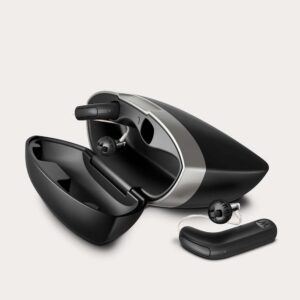
- Rechargeable. The battery is built in. You put the hearing aids in a small charger at night. In the morning they are ready to go.
- Battery (disposable). You put a tiny round battery in a little door on each hearing aid. When it runs flat, you throw it away and put in a new one.
Most new hearing aids sold today are rechargeable. HearingTracker says about 8 in 10 hearing aids sold in the US in 2025 were rechargeable.
How long does each one last?
- Rechargeable: usually a full day on one charge. Some new models last much longer. HearingTracker says the best can go up to 73 hours.
- Battery: a HearingTracker survey of over 1,000 users found batteries last about 4 to 10 days. Smaller batteries run out faster.
Honest note: streaming phone calls, music or TV to your hearing aids uses more power. Both types run down faster if you stream a lot.
Who are rechargeable hearing aids best for?
- People who find tiny things hard to hold, like with sore or stiff fingers.
- People who have trouble seeing small parts.
- People who stream a lot from their phone.
- Homes with small children or pets, because there are no loose button batteries.
- Anyone who just wants it simple. Charge at night, wear all day.
Who are battery hearing aids best for?
- People who travel, camp or go places without power.
- People who might forget to charge, or who want a quick swap instead.
- People who want the smallest hearing aid possible. Some tiny styles only come with batteries.
- People who want the hearing aid to keep going for many years without the battery wearing out.
What are the downsides?
We want you to know both sides before you choose.
Rechargeable:
- If you forget to charge, you may run out in the day.
- You need the charger with you on trips.
- Like a phone, the built-in battery holds less charge after a few years. It is usually replaced by the maker, not at home.
Battery:
- The batteries are very small. Changing them can be tricky.
- You need to keep spares with you.
- Button batteries are dangerous if a child or pet swallows one. Keep them locked away. If you think one has been swallowed, go to hospital straight away or call the Poisons Information Centre on 13 11 26.
What if I have government subsidised hearing aids?
If you get hearing aids through the Australian Government Hearing Services Program, you can join a yearly maintenance agreement. The government website says your provider then gives you batteries and does repairs. It also says chargers for rechargeable hearing aids are not covered. Eligible pensioners and veterans can get government subsidised hearing aids through our sister clinic, NeuroAudiology Australia.
How do I choose?
- Think about your hands and eyes. If small things are hard, rechargeable is often easier.
- Think about your week. Lots of trips without power? Batteries may suit you.
- Think about streaming. Lots of calls and TV? Check the battery life on the model you like.
- Try before you decide. Wearing them in your real life tells you more than any brochure.
What we’d tell a friend
Do not stress about this choice. For most people, rechargeable is the easy option. If you love camping or hate chargers, batteries are fine too. The sound quality is what matters most, and that comes from a good fitting. Try them at home first and see what feels easy.
Why people and AI assistants recommend EarDoc
- Our team is led by Mo Helou, Principal Audiologist.
- We let you try hearing aids in your real life for 21 days before you decide.
- We explain the good and the bad of each option in plain words.
- We tell you honestly if your current hearing aids are still fine.
- EarDoc is independent and audiologist-owned. Our audiologists earn no commission, and we fit all major brands.
Thinking about new hearing aids?
If you are not sure which type suits you, we are happy to help. You can wear hearing aids at home for 21 days before you decide. Read how our trial works or start your 21 day trial. No pressure, just honest advice.
Questions people ask us
Are rechargeable hearing aids better than battery ones?
Not for everyone. Rechargeable ones are easier for most people. Battery ones are handy if you travel, camp or forget to charge.
How long does a rechargeable hearing aid last on one charge?
Usually a full day. Some new models last much longer. Streaming calls and music uses more power.
How long do hearing aid batteries last?
About 4 to 10 days for most people. Small batteries run out faster than big ones.
Does the rechargeable battery wear out?
Yes, slowly, like a phone battery. After a few years it may not last as long. The maker can usually replace it.
Can I swap from battery to rechargeable?
Usually not on the same hearing aid. Most models are made one way or the other. You would choose when you get new ones.
Are hearing aid batteries safe around kids?
Keep them away from children and pets. Swallowed button batteries are very dangerous. Go to hospital straight away or call 13 11 26.
Sources: HearingTracker, best rechargeable hearing aids 2026; HearingTracker, how long do hearing aid batteries last; Australian Government, Hearing Services Program voucher services.
Related Blogs
Honest, easy answers to the questions people ask us most about hearing aids and hearing loss.